Our Story
odoVita is short for the Latin phrase meaning "the smell of life," or more poetically, "to perceive the sense of life." The name was born from our work in the tightly packed slum of Barangay 105 in Tondo, Manila — in the neighborhoods of Happyland, Halamanan, and Aroma. We can show you photographs of these neighborhoods, but we cannot capture the smell. For the families who make a living sorting through garbage, that smell is inescapable — a daily reality that shapes life in ways photos never show.
The names of these neighborhoods carry their own quiet irony. Happyland was originally Hapilan, a Visayan term meaning "smelly trash" or "dumpsite" — an apt description of a place where thousands of cubic meters of waste are dumped each day and sorted by the people who live there, scavenging for food and anything of value. English speakers misheard Hapilan as "Happyland." The neighboring areas carried the irony further still, naming themselves Halamanan, meaning garden or orchard, and Aroma, meaning scent.
We named our organization in that same spirit: odoVita, the smell of life — the literal act of smelling, and an invitation to give sense to our shared existence.
odoVita is a non-profit organization committed to improving health services, health, and ultimately life in underserved communities, informal urban settlements, and slum areas. We strive to give people the tools and support they need to prioritize their health and their children's health.
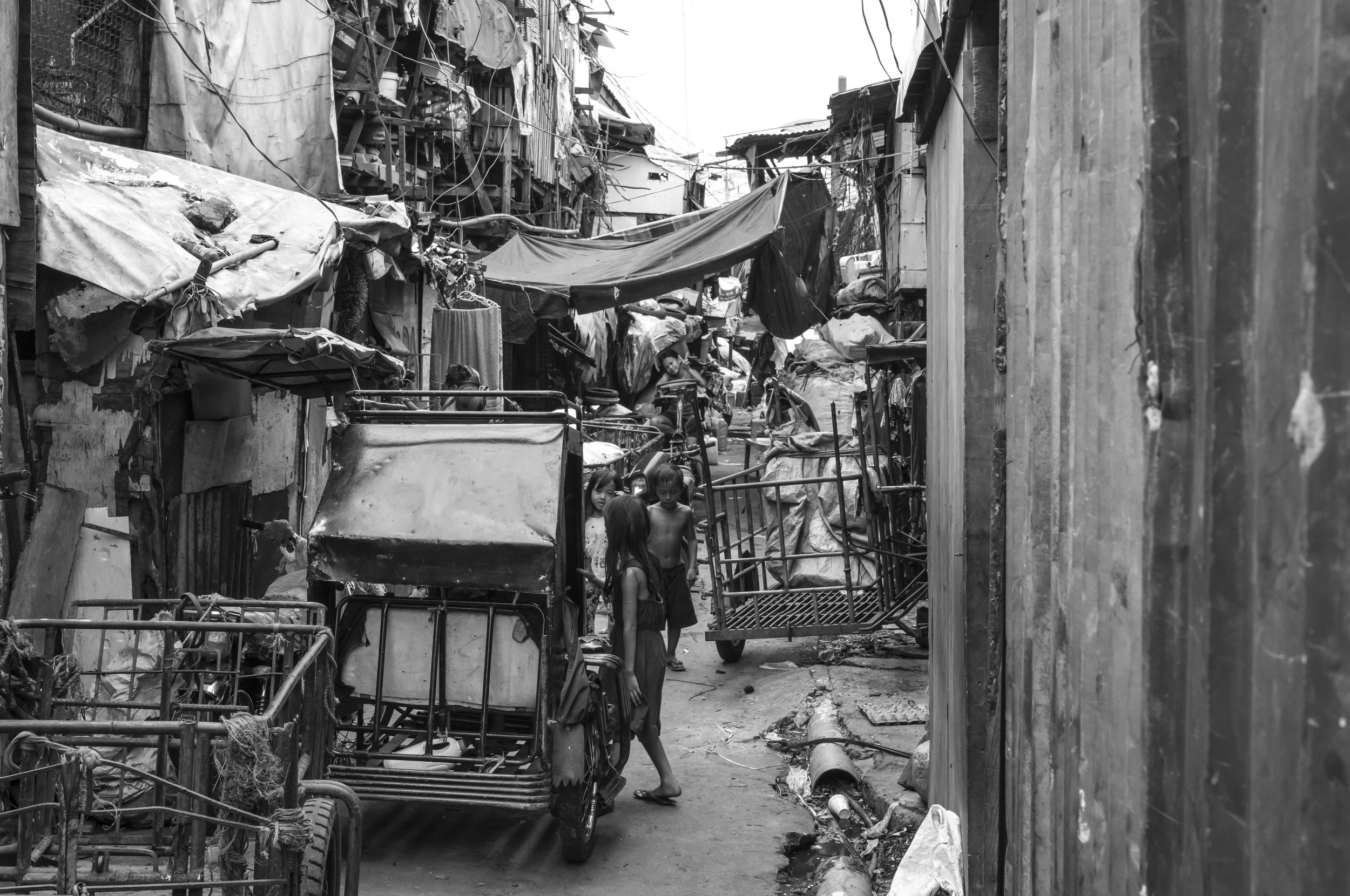
© R. Hartel for odoVita
Our Mission
Our mission is to provide comprehensive community-based healthcare for children, adolescents, and their families living in precarious situations or poverty.
Health is an inalienable right of every child, as enshrined in Article 24 of the UN Convention on the Rights of the Child. This article affirms every child's right to 'the highest attainable standard of health' and to 'facilities for the treatment of illness and rehabilitation of health,' with a strong emphasis on the 'development of primary healthcare.'
Health and healthcare are not mere by-products of economic progress, which rarely or never reach the poorest. Rather, they are prerequisites for and means of sustainable development.
We serve as a bridge between the existing resources of health facilities—whether international, national, or local—and the lived experiences of the poorest and sickest communities in the world. The central idea of our mission is based on solidarity, as even children who have lost in the lottery of birth have the right to comprehensive healthcare and the empowerment for self-responsibility.
For healthcare to truly heal, it must go beyond evidence-based prevention and treatment of diseases. It must allow for access to sufficient food, safe living spaces, loving care, education, and the opportunity for play and leisure.
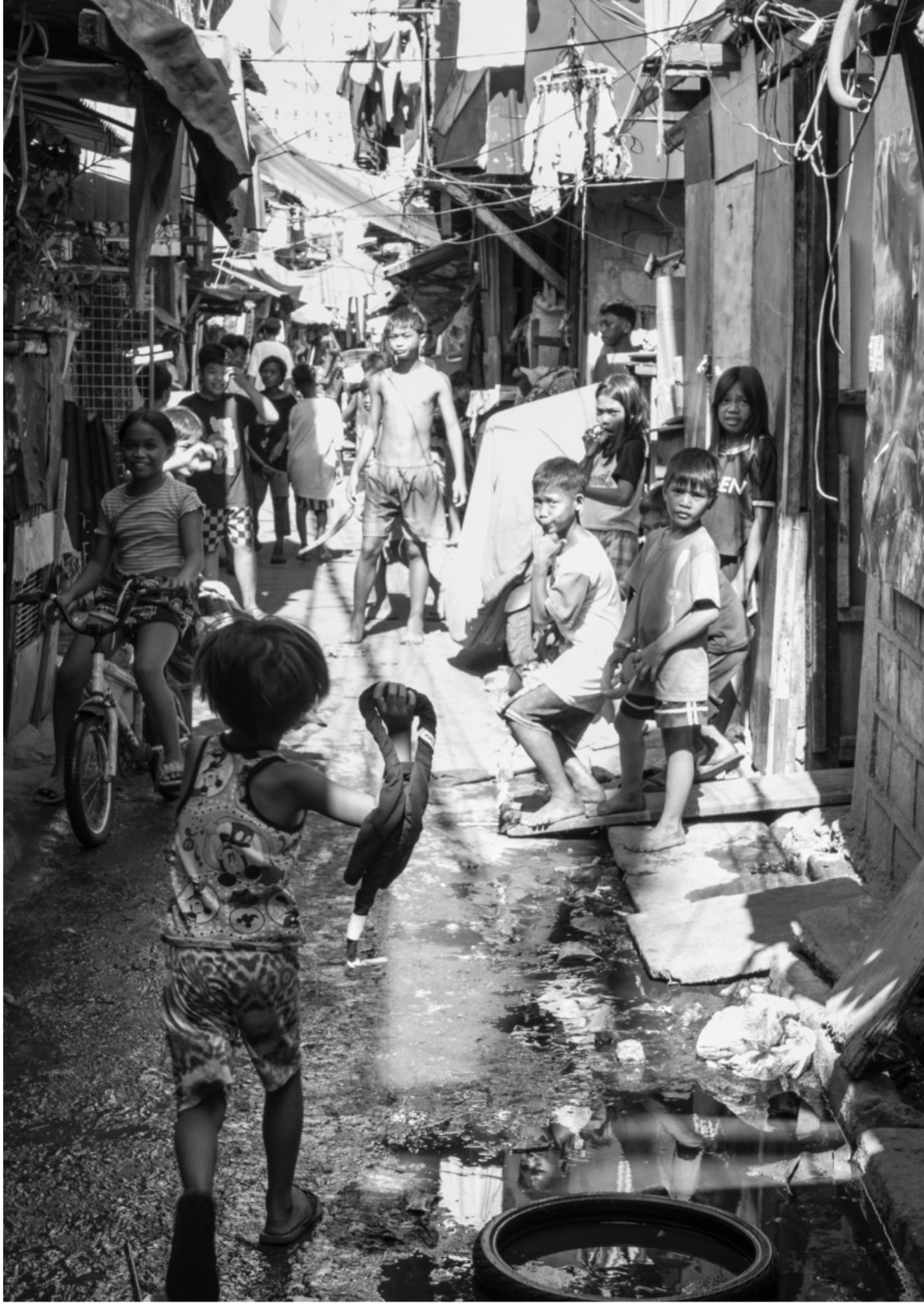
© R. Hartel for odoVita